October 6, 2026 · New games & community
IFComp 2026: The Next Great Text Adventure Might Be Waiting for You
A new shelf of stories, not another nostalgia list
Text adventures are often introduced through Zork and other classics. Those games matter, but they can leave the impression that interactive fiction is something you visit in a museum. IFComp offers a different door: new independent work, available to play now, with its audience involved in the conversation.
The competition began in 1995 and welcomes text-driven digital games and stories. Its entries are made freely available. That makes it a discovery event rather than a store sale: you can explore unfamiliar authors without buying a game for every experiment. The official introduction to IFComp explains the event's history and public judging format.
As of October 6, the 2026 games are available and judging is underway. Votes close October 19, with the awards ceremony scheduled for October 24 at 4 PM Eastern. Check the competition's current schedule before making plans. There are no announced 2026 winners to recommend yet — discovery is the point.
The 2026 twist: the words must come from people
For 2026, IFComp introduced a generative AI policy with a clear distinction: all player-facing content, including cover art, must be created by humans. Limited assistance during development is permitted, including the support tasks described in the rules. Entries may not require players or judges to interact with external AI or generative services during play.
That is not a claim that authors cannot use tools. It is a rule about what the player encounters. The organizers explain the distinction in their January 2026 policy announcement and current competition rules.
Why is that exciting for a mystery reader? An authored story can plant a detail early, let you misread it and bring it back later with intent. A moved chair can be evidence rather than decoration. A silence can be the answer. Human-created content does not guarantee a great game, but this year's rule gives curious readers a concrete place to look for deliberate, authored experiences.
If that distinction interests you, our comparison of generated sandboxes and authored mysteries explores the different kinds of play they offer. Neither format needs to pretend to be the other.
Find your next adventure without judging it by its cover
Open the 2026 entry list and individual game links and read the descriptions, format information and any content notes. Do not assume every entry is a parser game, a horror story or a browser-only experience: interactive fiction includes several ways of playing.
| If you want… | Look for… | Check before starting |
|---|---|---|
| To investigate a place | A parser game with typed commands | Available hints and supported format |
| To make story decisions | A choice-based entry | Content notes and how choices are presented |
| A dark October evening | A description that promises mystery or horror | The author's warnings, not just the artwork |
| A low-setup first try | An entry offering online play | Browser requirements and saving instructions |
Try something outside your usual taste as well as something familiar. The game with the quietest description may have the sharpest idea. These are discovery suggestions, not reviews or a ranked shortlist: we have not played through this year's entries to assess their quality.
New to typing commands? Read our first-session walkthrough for a typed adventure. Knowing LOOK, EXAMINE and a few movement commands lets you spend more attention on the story and less on guessing the interface.
You don't need a critic's badge to help choose the winners
Public judging is part of IFComp's appeal. The official guidelines welcome judges from anywhere in the world, including the United States. To have your votes counted, create an account on the competition site and play and rate at least five entries. Ratings run from 1 to 10.
One important detail: judge each game on at most its first two hours of cumulative play. That is a judging limit, not a promise that every entry takes two hours to finish. If you reach the limit and want to keep playing, submit your rating before continuing and do not revise it afterward. Read the rules for the full conditions before voting.
- Choose five entries that interest you, with a little variety in format or subject.
- Keep brief notes on clarity, interesting decisions and how the opening holds your attention.
- Rate what you actually played rather than what you hoped the game would become.
- Submit your votes by October 19 at 11:59 PM Eastern, the deadline used by the organizers.
US readers should note the time zone: the deadline is Eastern, not your local midnight if you live elsewhere. The organizers' advice for first-time judges also explains how to use the full rating scale thoughtfully. A useful response is more valuable than a reflexive perfect score.
Make October a mystery night, not an endless scroll
Here is a simple evening plan: explore a free IFComp entry, write down one detail that surprised you and stop before discovery becomes another backlog. If you discuss it with a friend, hide spoilers. The fun is comparing what each of you noticed, not giving away the answer.
For a separate, focused mystery, PARANOID puts you inside a Nordic family home over one unsettling night. It is a parser-style text adventure written entirely in English by Patrik Airosto-Gelin, playable in your browser on phone, tablet or desktop. The Nordic setting is the location of the story, not a language barrier for US players.
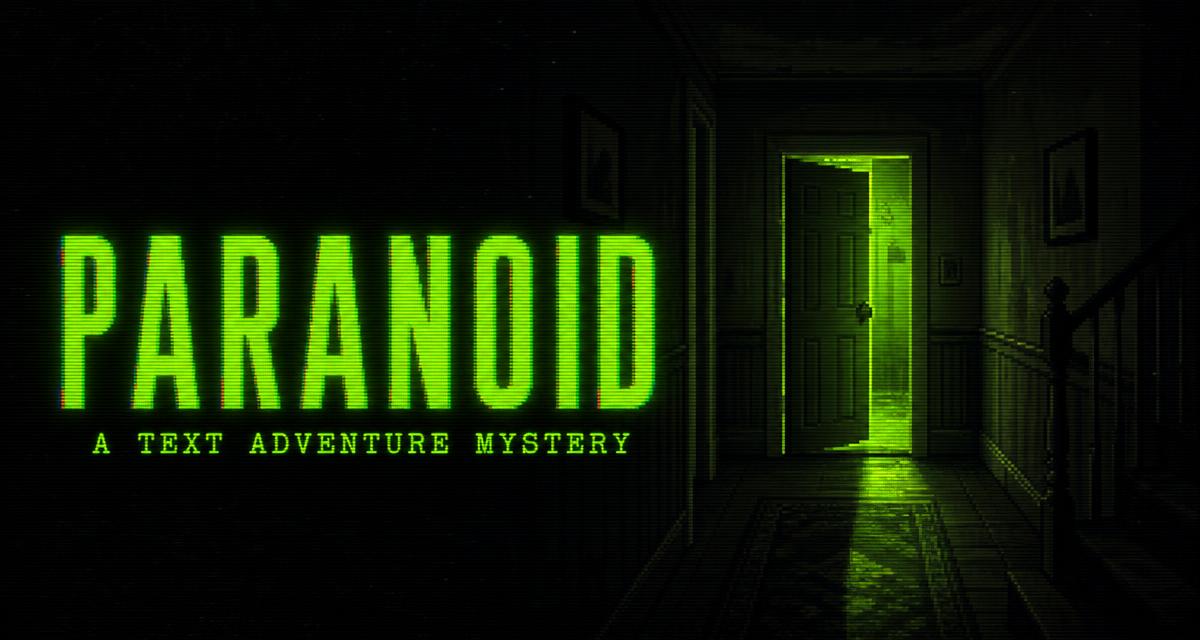
PARANOID costs $5.99 USD as a one-time purchase, with no subscription, download or account required. Allow roughly two to three hours. It is a separate paid game, not a 2026 IFComp entry; this article does not suggest a competition endorsement or award.
If your favorite part of a mystery is noticing that something ordinary is wrong, read the spoiler-free look inside PARANOID's premise before deciding. Or leave the lights low and cross the threshold.
Before you start: common questions
Are IFComp 2026 games free?
Yes. Making the entries freely available is part of the competition's mission. How you launch them varies by entry; follow the individual online or download links.
Can I play without becoming a judge?
Yes. You can browse and play the entries without committing to rate five games. The five-game minimum applies when you want your judging votes to count.
Are all the entries text adventure games?
IFComp welcomes text-driven digital stories and games, a broader category than typed-command adventures. Expect different formats rather than assuming everything plays like Zork.
Is this year's winner already known?
Not as of this article's October 6, 2026 publication date. Judging is still open. After the event, use the official site for results rather than treating this discovery guide as a winners list.
Can US players play PARANOID in English?
Yes. PARANOID is written entirely in English and plays directly in a browser. Its price is $5.99 USD for a one-time purchase, separate from the free IFComp games.
Sources and reading notes
Competition details were checked against IFComp's official website on October 6, 2026. The linked schedule, rules and entry list are the sources for dates, judging requirements, availability and the human-created content policy. Follow those pages for changes and eventual results.
This is a guide to discovering new interactive fiction, not a claim that Google searches are surging or a hands-on review of the 2026 entries. The recommendations about choosing an evening's reading are editorial suggestions. PARANOID's description and purchase details come from its own game website.